Accounting turns every business transaction into reliable figures. It first helps you steer the business, then meet your tax and legal obligations. These guides help self-employed people and SME directors know what records to keep, and how to organise them. Good figures also make conversations with your bank easier.
Which accounting system applies?
The type of accounting depends on your legal form and turnover. A self-employed sole trader can often keep simplified accounts, below 500,000 euros of turnover excluding VAT. These rely on a few journals: purchases, sales and financial transactions. Even simplified accounts require discipline: keep and number every document.
An SRL, SC or SA, however, keeps double-entry accounting. Each transaction appears twice, as a debit and a credit, following the standard minimum chart of accounts. Our guide to the accounting obligations of businesses details both systems.
The calendar of a financial year
Throughout the year, several deadlines set the pace. Here are the main ones.
1Record purchase and sales invoices as they come in.
2File VAT returns, quarterly or monthly.
3Close the financial year and prepare the annual accounts.
4Have the general meeting approve the accounts within six months.
5File the accounts with the National Bank within the following thirty days.
6Submit the corporate income tax return.
For a sole trader, the year-end closing is simpler. The profit then flows into your personal income tax return. A good accountant also helps you plan these deadlines.
Each deadline has its own practical guide. For example, read filing annual accounts with the NBB, the periodic VAT return or the corporate tax return.
What changes in 2026?
Since 1 January 2026, structured electronic invoices have become the norm between businesses. A PDF sent by email therefore no longer meets the rule for B2B trade. This shift also affects accounting, since invoices now arrive in a format software can read. Well prepared, it cuts manual entry and errors. So check that your accounting software can receive and process these invoices.
Our guide to e-invoicing sets out the timeline and standards. For sales within Europe, also see intra-Community VAT.
Common mistakes
- Piling up documents and recording everything at the last minute.
- Mixing private and business spending.
- Missing filing deadlines, even though penalties apply.
- Tracking cash without ever looking at profitability.
- Forgetting depreciation on investments.
- Choosing an accountant on price alone.
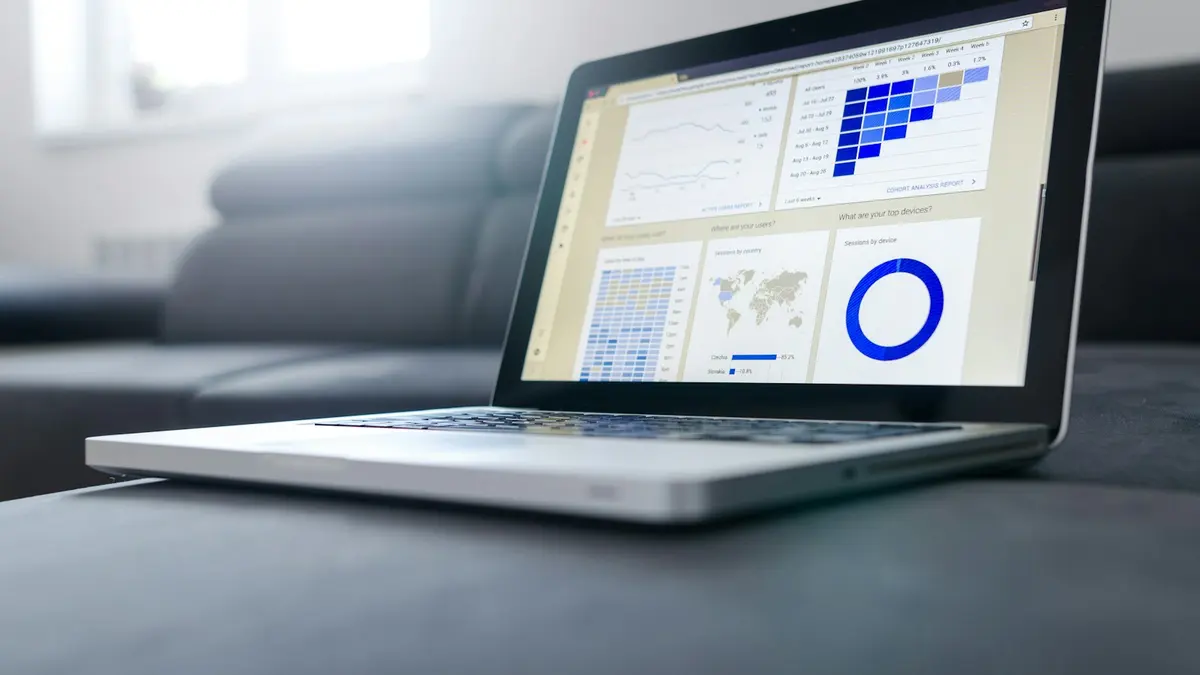
Up-to-date figures also help you decide, not just declare. For example, a monthly dashboard shows your margins and your cash needs. A good professional often saves you time and prevents fines. Our guide to choosing an accountant lists the questions to ask before signing. Filed accounts and official templates are available on the National Bank website.