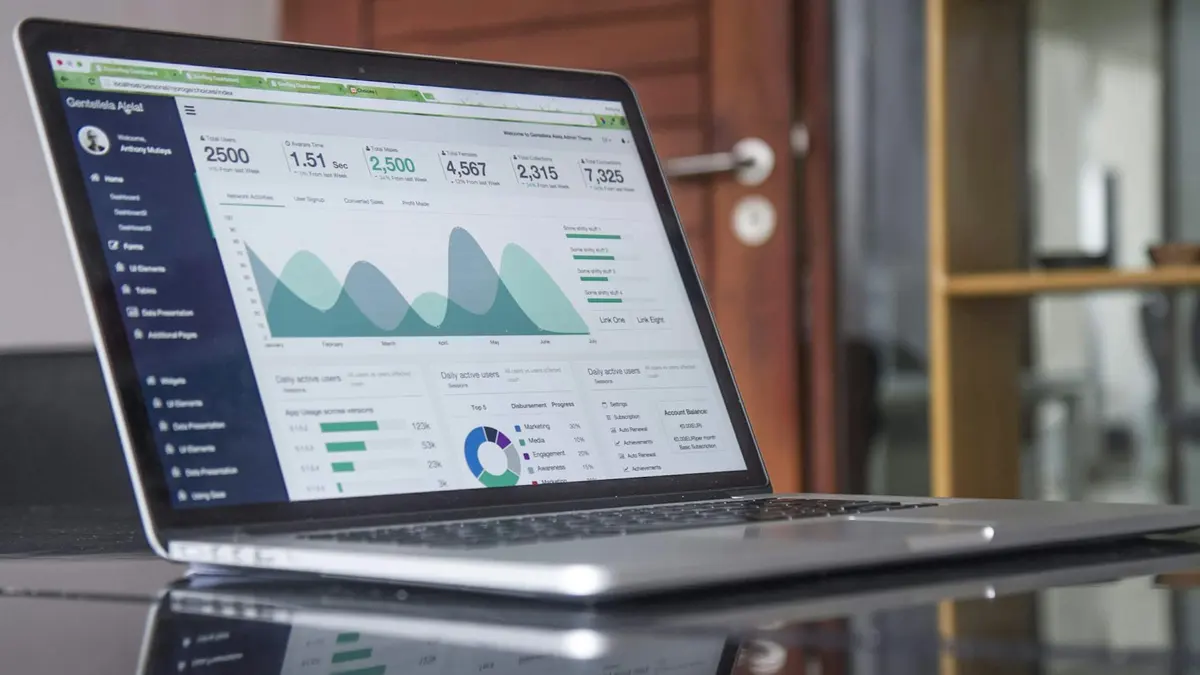
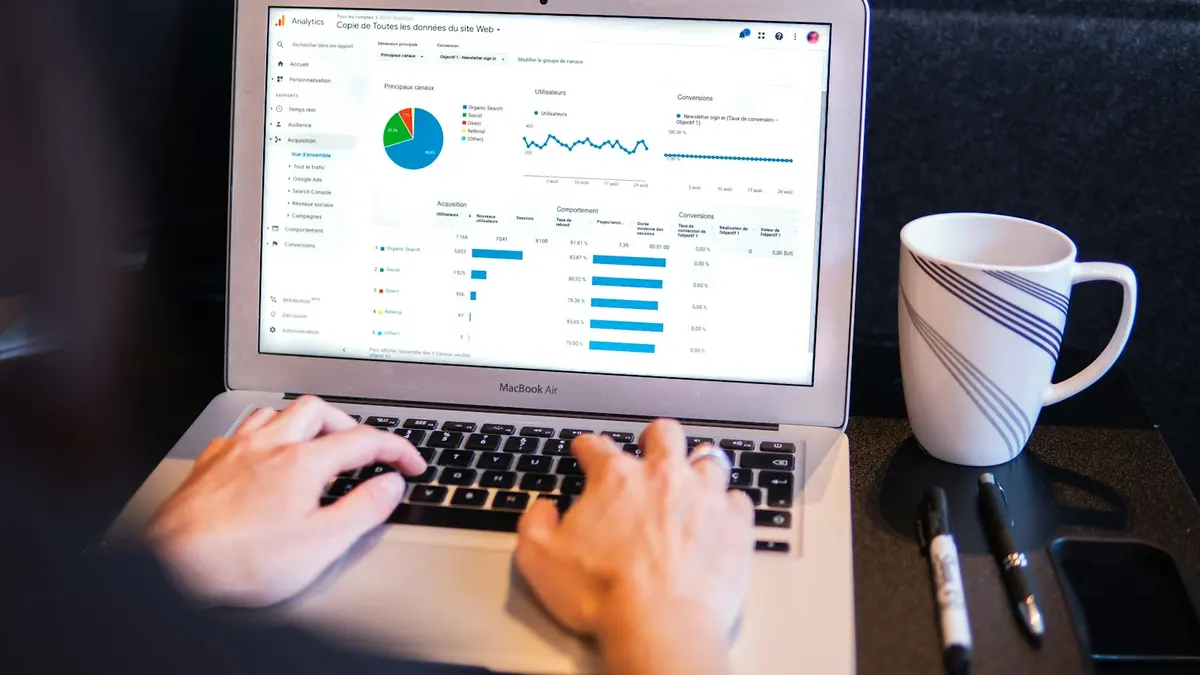
A financial forecast projects a business's activity over several years. It answers a simple question: does the project hold up? This page serves founders, managers and international students preparing an application.
What a financial forecast contains
Three tables form the core of the document. Each one answers a different question.
- The projected income statement measures profitability.
- The monthly cash flow plan checks that the business can pay its bills.
- The financing plan compares start-up needs with available resources.
These tables must fit together. For example, a delayed sale changes cash flow without changing profit. Our article on the three key tables shows how to read them together. For a full overview, follow our step-by-step method.
What is a financial forecast for?
The document first serves the founder. It reveals the revenue needed to live from the activity. It then helps convince third parties.
- A bank analyses it before granting a loan.
- Investors look in it for growth potential.
- In France, the prefecture assesses viability for a change of status.
- In Belgium, it feeds the financial plan handed to the notary.
After launch, the forecast also becomes a management tool. You then compare actual and planned figures every month. It also helps you set prices, since you see the margin each sale must bring. For France, business formalities appear on the official portal for entrepreneurs.
Building solid assumptions
A good table rests on good assumptions. Revenue always comes from a price multiplied by a volume. Also plan a realistic ramp-up. The first months rarely earn as much as later ones.
On the cost side, forget nothing. List rent, software, insurance, travel and bank charges. Add social contributions, taxes and your own pay. Finally, include your customers' payment terms. A customer who pays after sixty days weighs heavily on cash.
Above all, prepare a cautious scenario. It shows how the project copes with a slower start. Also document each assumption in a short note. A banker or adviser then understands where your figures come from. This transparency builds more trust than a perfect table. It also keeps your financial forecast readable for third parties.
Common mistakes
Some mistakes weaken an application at once. First, a hoped-for revenue figure often replaces a calculation. Second, essential costs vanish from the tables. In addition, many people confuse profitability with cash. Finally, no market evidence supports the assumptions.
These weaknesses cost dearly in front of a banker. So read the seven mistakes that get a loan refused. For an international student in France, also see the mistakes that weaken a change of status application. Juristelo automatically links your assumptions to the tables. You can thus fix a forgotten cost and instantly see its effect on your financial forecast.